
News
Stay informed with the latest news and updates from Shandong Epoch Equipment Co., Ltd. We keep you updated on our achievements and progress in the field of water system solutions. Explore our latest news and discover how we are shaping the industry.
 19 2025-06
 The structure of flexible couplings
The flexible joint, through its elaborately designed multi-layer rubber composite structure (inner rubber layer, reinforcing layer, outer rubber layer, and end reinforcement) and specific geometric shape (sphere/wave), essentially achieves the function of providing controllable flexibility by utilizing the elasticity of rubber. Its core value is reflected in five key roles: compensating for displacement, reducing vibration and noise, lowering installation difficulty and stress, preventing leakage, and extending the system's lifespan. It is an indispensable "safety valve" and "shock absorber" in modern pipeline systems.
 16 2025-06
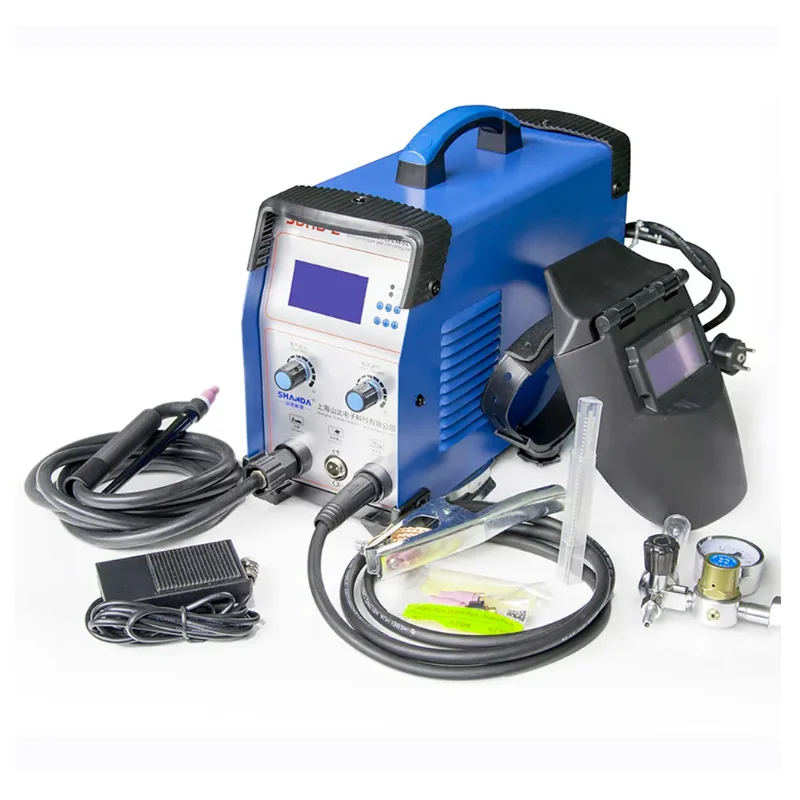
 Pipeline Installation Machines and Tools: Built for Strength, Precision, and Speed
Pipeline installation machines and tools are essential equipment used to lay, align, join, and secure pipes in industries such as water supply, oil and gas, sewage, and construction. From trenchless systems to large-scale infrastructure projects, these tools ensure safe, efficient, and accurate pipe deployment—above or below ground.
 13 2025-06
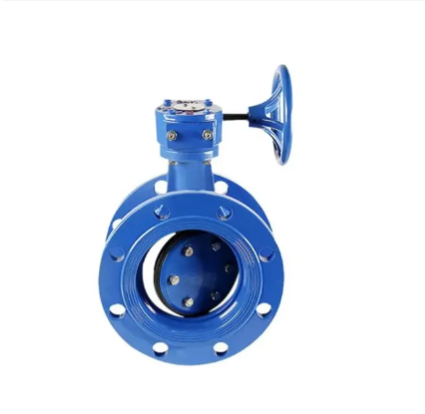
 The structure and working principle of the butterfly valve
A butterfly valve is a structurally simple and compact fluid control valve. Its core components include a valve body, a rotatable disc-shaped "butterfly" plate, a stem that drives the disc, and a sealing seat. The valve operates through a 90-degree rotational motion: when opening, the disc rotates from a position perpendicular to the pipeline axis (closed state) to parallel with it (fully open), allowing unobstructed flow; when closing, the disc rotates 90 degrees back to block the flow path, with its edge pressing tightly against the seat to form a sealed ring, thereby stopping fluid flow.
 12 2025-06
 The differences in structure between Globle valves and Gate valves
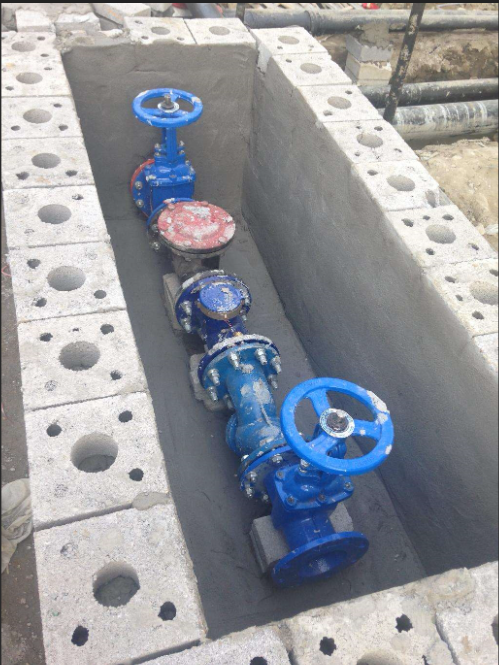
Visualize a gate valve as a vertical plate sliding across a straight pipe: when raised, flow is unobstructed; when lowered, the pipe is severed. Its structure prioritizes minimal flow resistance when open and bidirectional shutoff, resulting in a straight flow path and symmetrical body. A globe valve acts like a plug at a pipe bend: inserted downward to block the turn. Its design emphasizes sealing reliability and flow control, necessitating a tortuous flow path, asymmetrical body, and mandatory flow direction. These inherent structural contrasts define their divergent functionalities and applications.
 11 2025-06
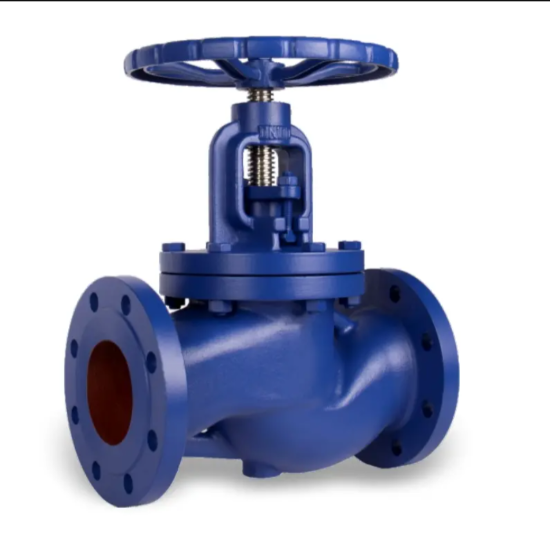
 Globle valve :One lift, flow stops;Zero drag, full go.
Globe valves, prized for their reliable shutoff sealing and moderate throttling capability, play an indispensable role in industrial piping systems. Understanding their core working principle of "linear disc movement for mechanical sealing" and the standard "flow-under-the-disc" design is crucial for their correct selection, installation, and use. Selection requires careful consideration of specific pressure, temperature, media properties, sealing requirements, pressure drop limitations, and the need for throttling.
 10 2025-06
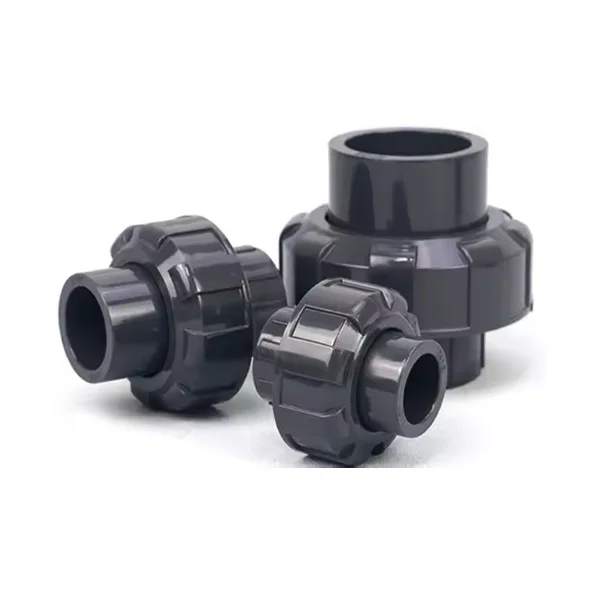
 UPVC Accessories: The Precision Components Behind Reliable Piping Systems
While UPVC pipes form the backbone of modern plumbing networks, it's the UPVC accessories that give these systems their versatility and longevity. These meticulously engineered fittings—elbows, couplings, valves, and adapters—serve as the critical junctions where direction changes, flow control, and system integrations occur.