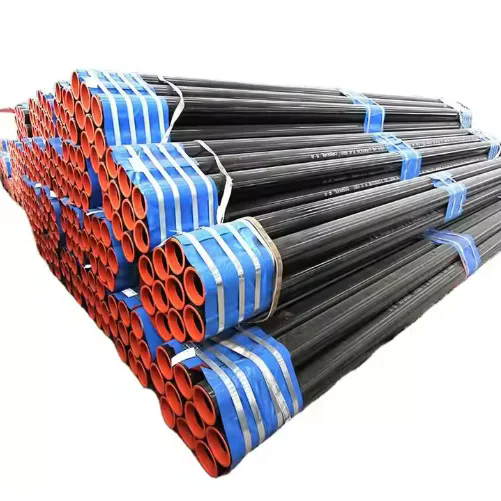
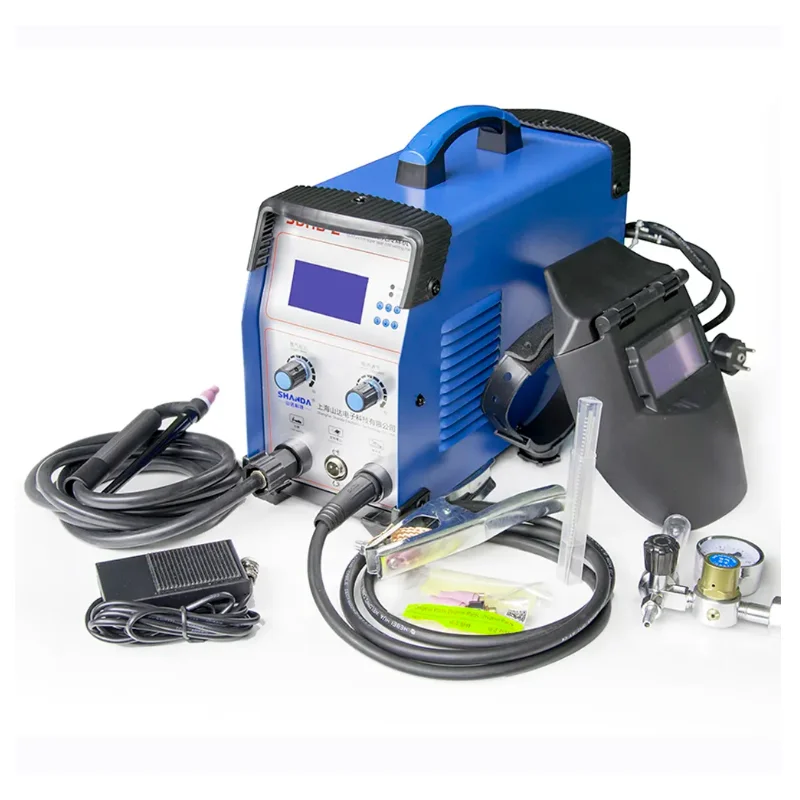
Carbon Steel Pipes and Stainless Steel Pipes
Material Overview
1. Carbon Steel Pipes
Definition: Iron-carbon alloy pipes (C ≤2.1%) with optional manganese, silicon, or copper additives. Manufactured via seamless (hot/cold rolling) or welded (ERW, LSAW) processes.
Key Traits: High strength-to-cost ratio, weldability, and adaptability to coatings.
2. Stainless Steel Pipes
Definition: Iron-based alloy pipes with ≥10.5% chromium, forming a self-healing oxide layer. Common grades: 304 (18/8), 316 (Mo-added), and duplex steels (2205).
Key Traits: Corrosion resistance, hygiene, and aesthetic appeal.
Core Advantages
|
Property |
Carbon Steel Pipes |
Stainless Steel Pipes |
|
Strength |
Tensile strength 400–550 MPa, ideal for heavy loads. |
Tensile strength 500–800 MPa (duplex grades). |
|
Corrosion Resistance |
Requires external coatings (epoxy, galvanizing). |
Inherent resistance to rust, acids, and chlorides. |
|
Temperature Range |
-29°C to +425°C (API 5L Grade X70). |
-196°C (cryogenic) to 1150°C (310S alloy). |
|
Cost Efficiency |
Lower material cost, suitable for large-scale projects. |
Higher initial cost but lower lifecycle costs. |
|
Maintenance |
Regular coating inspection and repair needed. |
Minimal maintenance, ideal for harsh environments. |
Industry Applications
|
Industry |
Carbon Steel Pipes |
Stainless Steel Pipes |
|
Oil & Gas |
API 5L pipelines, structural supports for rigs. |
Subsea umbilicals, LNG cryogenic transfer. |
|
Chemical |
Acid/alkali transport with internal linings. |
Reactor piping, chloride-rich environments (316L). |
|
Construction |
Scaffolding, HVAC ducting (ASTM A53). |
Decorative handrails, curtain wall systems. |
|
Food & Pharma |
– |
Sanitary tubing (3A, EHEDG certified), CIP systems. |
Technical Specifications
1. Carbon Steel Pipes
Standards: API 5L, ASTM A106/A53, EN 10219.
Sizes: ½"–48" (DN15–DN1200), wall thickness SCH40–SCH160.
Coatings: 3PE, FBE, galvanized (ISO 21809 compliant).
2. Stainless Steel Pipes
Standards: ASTM A312/A358, EN 10217-7.
Sizes: ¼"–36" (DN6–DN900), wall thickness SCH5S–SCH80S.
Surface Finish: Annealed, pickled, or polished (Ra ≤0.8μm for sanitary use).
Sustainability
Carbon Steel: 90% recyclable, widely reused in construction and manufacturing.
Stainless Steel: 100% recyclable without quality loss, supporting circular economy.
The use of carbon steel pipes and stainless steel pipes is in line with the issue of environmental protection and circular economy.
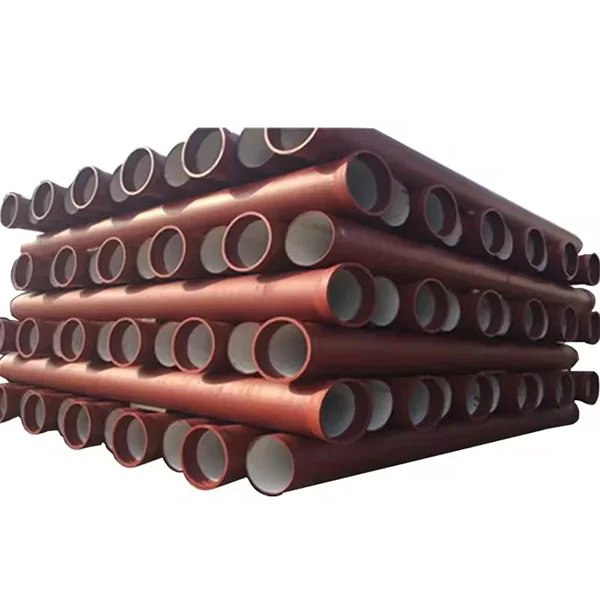
- View as

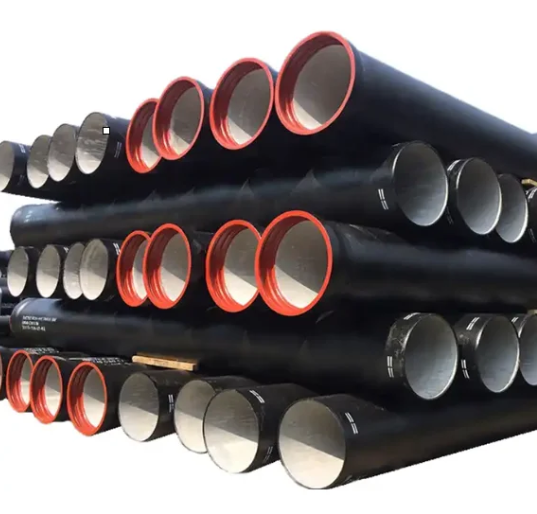
Carbon Steel Pipe
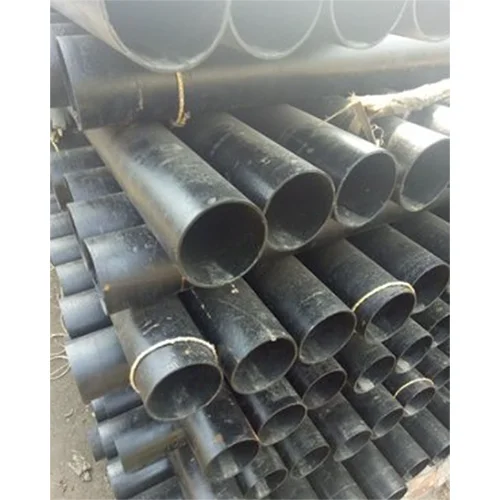
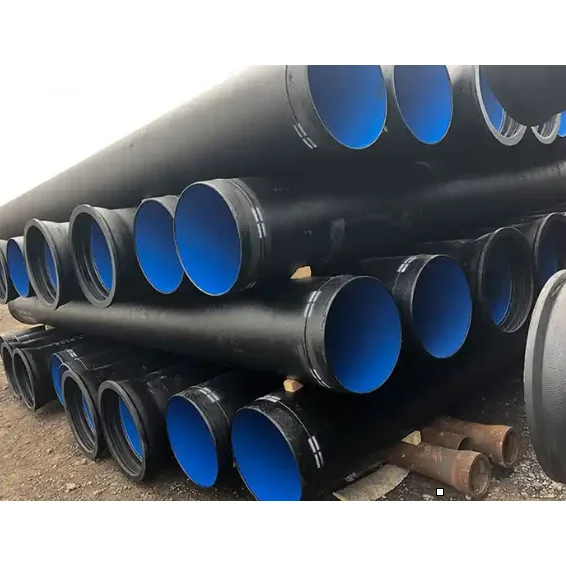
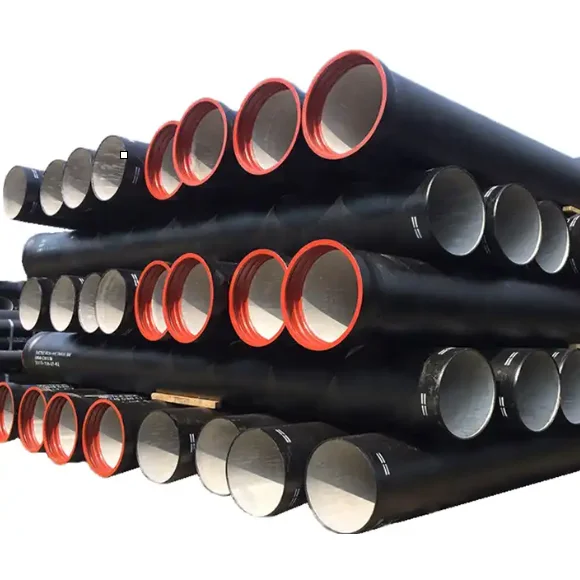
The surface anti-corrosion materials of this carbon steel pipe include galvanizing (electroplating, hot-dip galvanizing), epoxy paint spray anti-corrosion coating, epoxy powder, 3PE, etc.

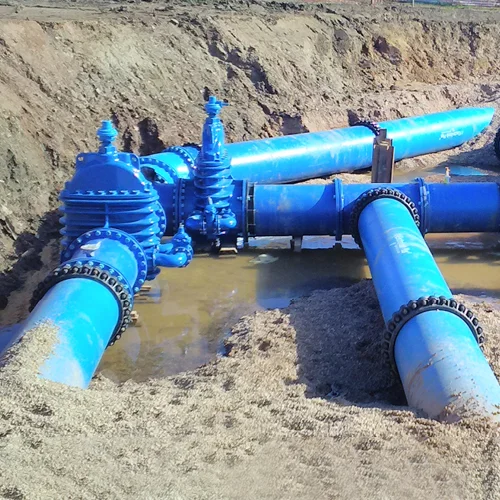
Stainless Steel Pipes and Fittings
Steel pipes, stainless steel pipes and fittings

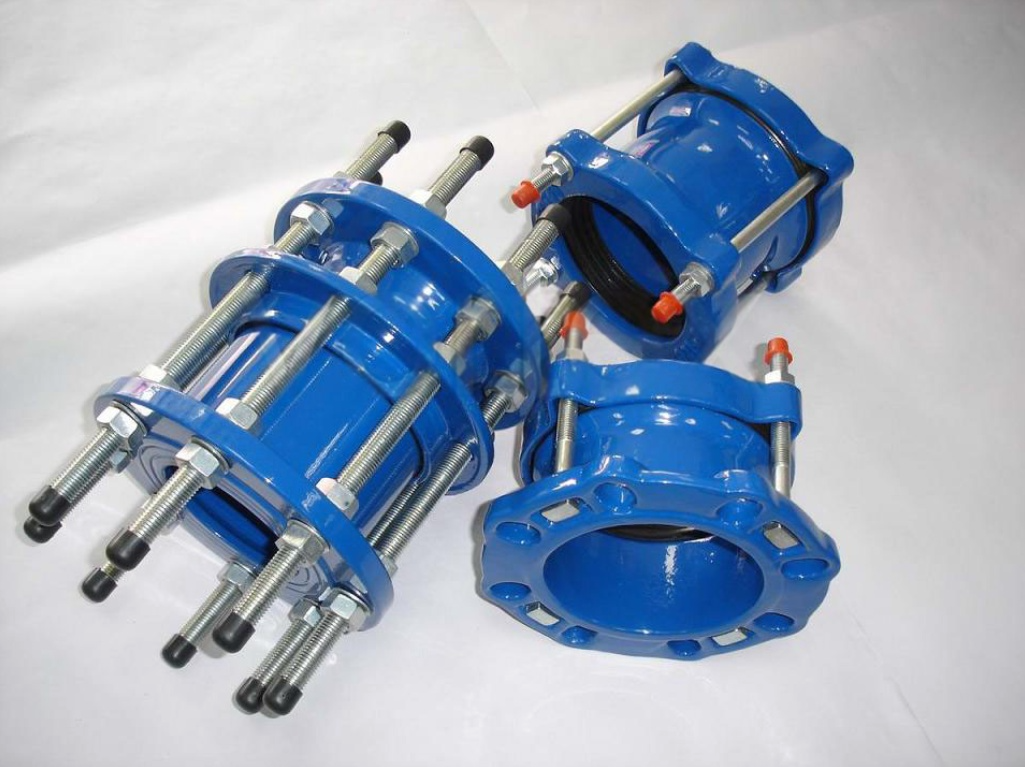
Steel Pipe Fitting Cross
The interface forms of this steel pipe fitting cross include groove welding, flange connection, threaded connection, socket connection, etc.

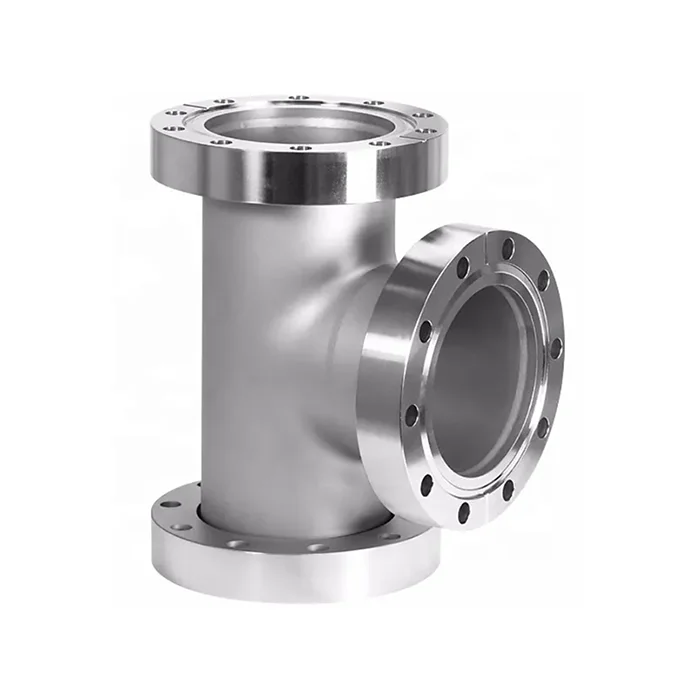
Steel Fittings Flange Tee
The surface anti-corrosion materials of this steel fittings flange tee include galvanizing (electroplating, hot-dip galvanizing), epoxy paint spray anti-corrosion coating, epoxy powder, 3PE, etc.
We are looking forward to your buy Carbon Steel Pipes and Stainless Steel Pipes from our company made in China - Epoch Equipment. Our factory is a Carbon Steel Pipes and Stainless Steel Pipes manufacturer and supplier in China. You are welcome to buy our high quality products.