
Industry News
 13 2025-06
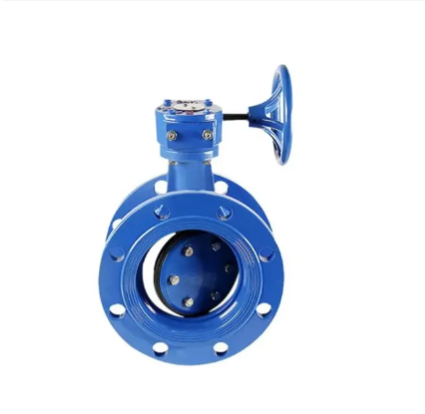
 The structure and working principle of the butterfly valve
A butterfly valve is a structurally simple and compact fluid control valve. Its core components include a valve body, a rotatable disc-shaped "butterfly" plate, a stem that drives the disc, and a sealing seat. The valve operates through a 90-degree rotational motion: when opening, the disc rotates from a position perpendicular to the pipeline axis (closed state) to parallel with it (fully open), allowing unobstructed flow; when closing, the disc rotates 90 degrees back to block the flow path, with its edge pressing tightly against the seat to form a sealed ring, thereby stopping fluid flow.
 12 2025-06
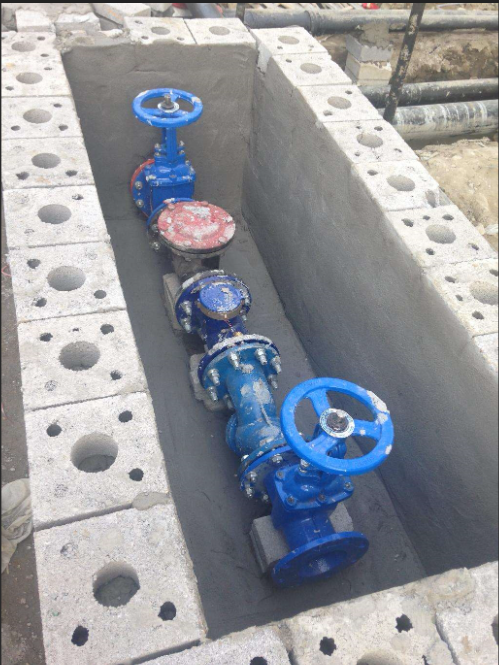
 The differences in structure between Globle valves and Gate valves
Visualize a gate valve as a vertical plate sliding across a straight pipe: when raised, flow is unobstructed; when lowered, the pipe is severed. Its structure prioritizes minimal flow resistance when open and bidirectional shutoff, resulting in a straight flow path and symmetrical body. A globe valve acts like a plug at a pipe bend: inserted downward to block the turn. Its design emphasizes sealing reliability and flow control, necessitating a tortuous flow path, asymmetrical body, and mandatory flow direction. These inherent structural contrasts define their divergent functionalities and applications.
 11 2025-06
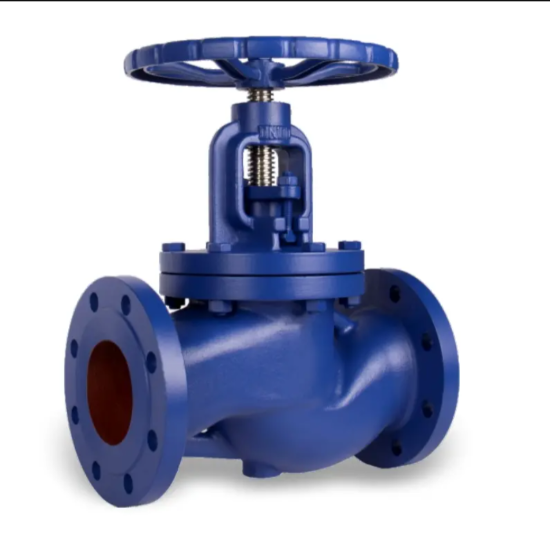
 Globle valve :One lift, flow stops;Zero drag, full go.
Globe valves, prized for their reliable shutoff sealing and moderate throttling capability, play an indispensable role in industrial piping systems. Understanding their core working principle of "linear disc movement for mechanical sealing" and the standard "flow-under-the-disc" design is crucial for their correct selection, installation, and use. Selection requires careful consideration of specific pressure, temperature, media properties, sealing requirements, pressure drop limitations, and the need for throttling.
 10 2025-06
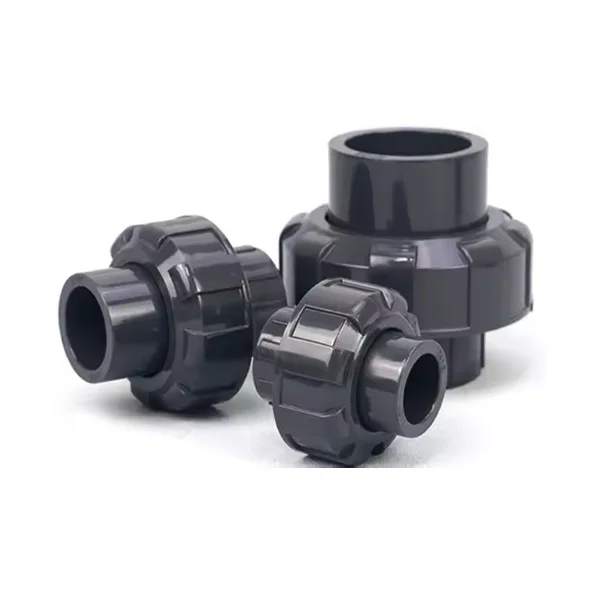
 UPVC Accessories: The Precision Components Behind Reliable Piping Systems
While UPVC pipes form the backbone of modern plumbing networks, it's the UPVC accessories that give these systems their versatility and longevity. These meticulously engineered fittings—elbows, couplings, valves, and adapters—serve as the critical junctions where direction changes, flow control, and system integrations occur.
 10 2025-06
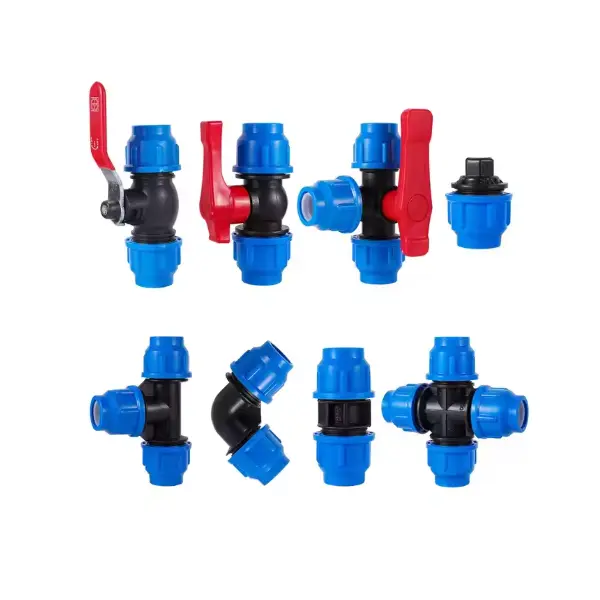
 UPVC and HDPE Pipes: The Modern Duo Reshaping Fluid Transport
Beneath our cities and within our walls, UPVC and HDPE pipes form the hidden circulatory systems of contemporary infrastructure. These polymer pipes have steadily replaced traditional materials, each bringing distinct advantages to different applications.
 09 2025-06
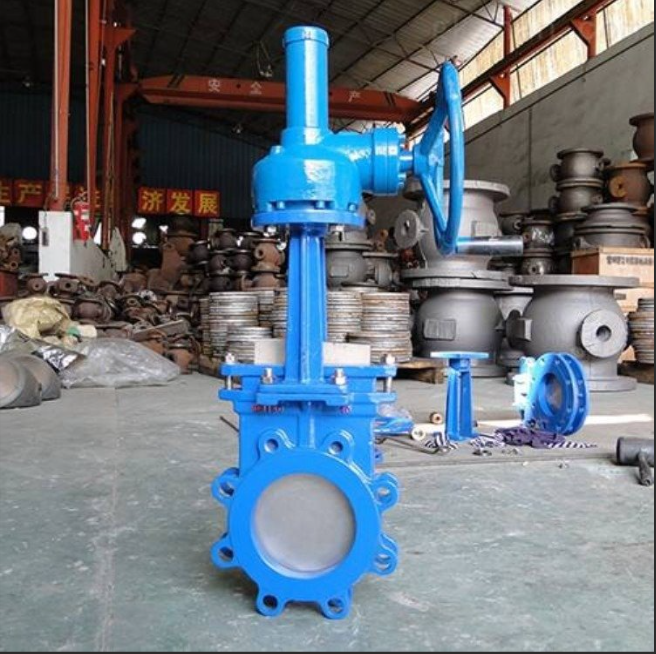
 The working principle of gate valves and how to select gate valves
Gate valves use a vertically moving gate to control flow. Their core strengths are near-zero pressure drop when fully open and bidirectional capability, making them ideal isolation valves for complete shutoff with minimal flow restriction. However, they operate slowly, cannot regulate flow, are bulky, and must never be partially open to avoid damage.Selection depends on media properties, pressure, temperature, size, space, operation (manual/automated), and cost to determine type (wedge/parallel, rising/non-rising stem) and material.