
Industry News
 04 2025-07
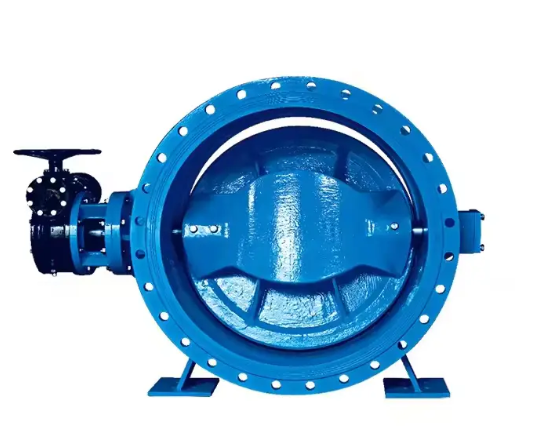
 What is Double Eccentric Flange Butterfly Valve?
A Double Eccentric Flange Butterfly Valve is a high-performance industrial valve characterized by its dual-offset design of the stem axis. The first offset positions the stem axis away from the centerline of the disc sealing surface, significantly reducing friction during opening/closing. The second offset places the stem axis away from the pipeline/valve body centerline, enabling progressive linear contact sealing between the disc and seat when closed. This structure dramatically enhances sealing reliability and service life, making it suitable for demanding conditions involving medium-to-high pressure, high temperature, and corrosive media.
 03 2025-07
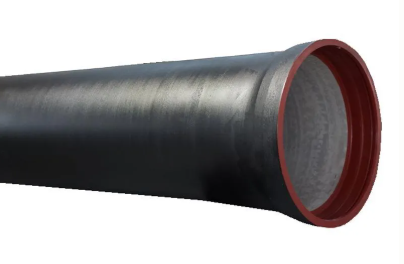
 Ductile Iron Pipe
Ductile Iron Pipe (DIP) is a pipe primarily composed of iron. It is manufactured by adding nodularizing agents (such as magnesium or cerium) to molten iron, transforming the graphite within the cast iron from flake-like to spherical (nodular) form. This process significantly enhances its strength, toughness, and ductility. This material innovation combines the corrosion resistance of cast iron with mechanical properties similar to steel, making it a vital piping material for conveying fluids such as water, sewage, and gas.
 02 2025-07
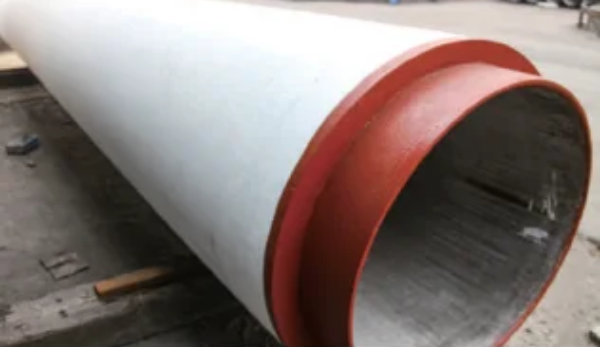
 Product Overview of Jacking Pipe
Jacking pipeline is mainly used for special construction project,where the pipeline needs to cross roads, railroads, rivers, ground buildings and other obstacles, and the construction site does not allow or is difficult to dig a trench on the ground.Adopts trenchless technology is recognized by the majority of users and solves some construction problems encountered in special projects.
 01 2025-07
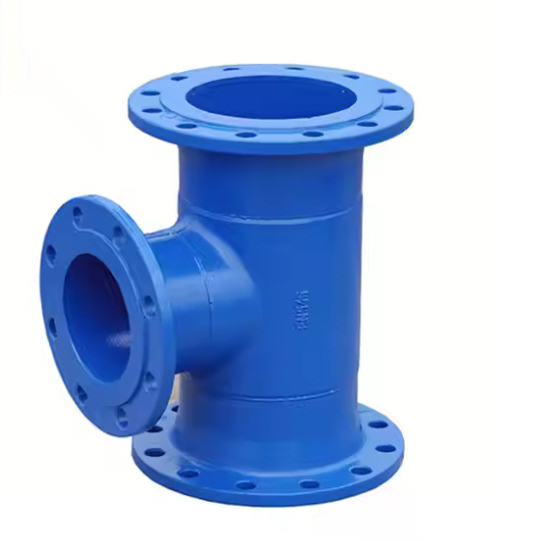
 What is All Flanged Tee?
An All Flange Tee is a specially designed pipe branch connection characterized by its defining feature: all three ports—both ends of the main pipe run and the perpendicular branch outlet—are equipped with flanges. This configuration distinctly differentiates it from other tee fittings that may feature threaded, socket weld, or plain ends.
 30 2025-06
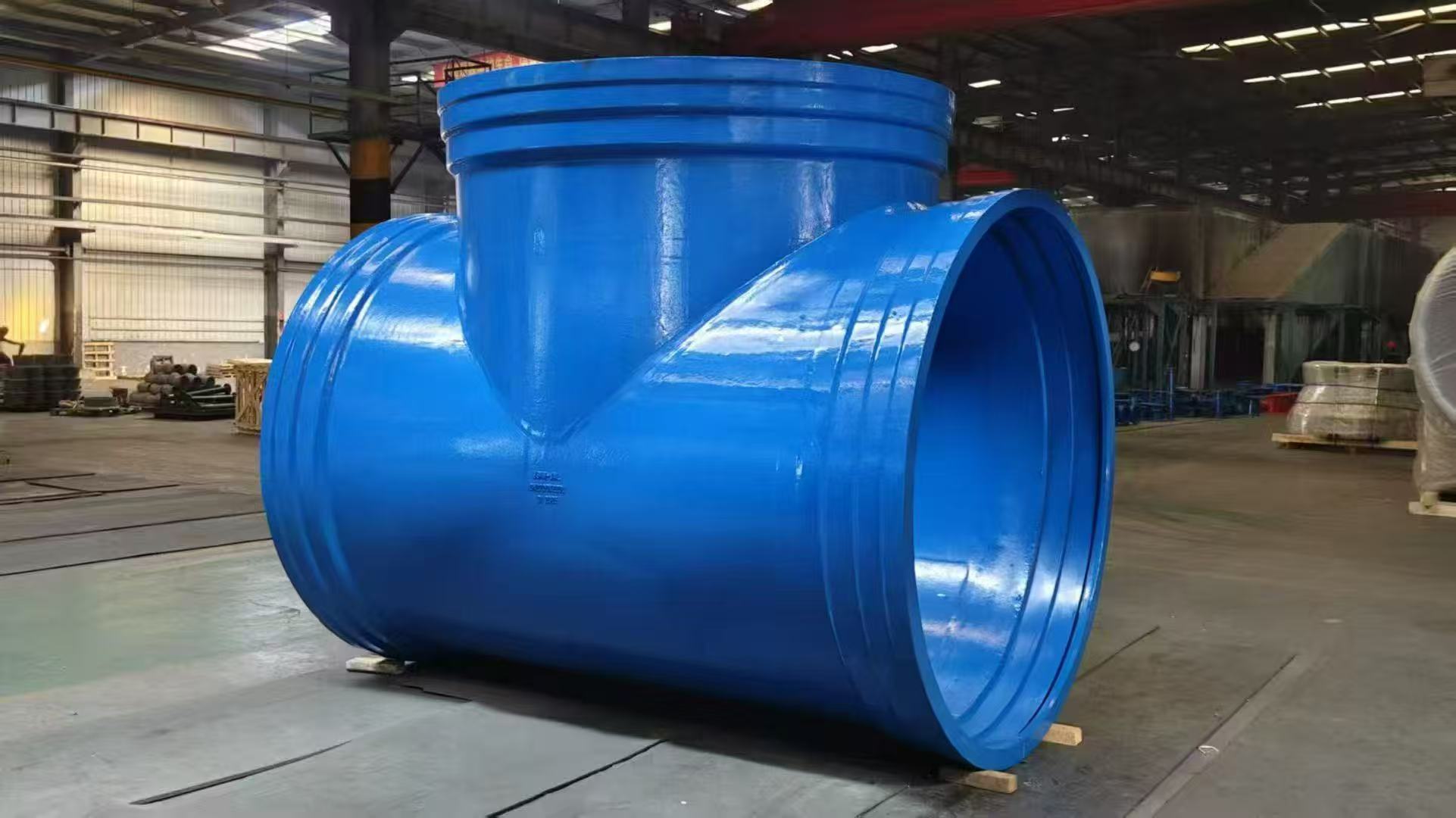
 What is all socket tee?
The All Socket Tee redefines piping nodal integrity through structural continuity, eliminating inherent weak interfaces of mechanical joints. It thus operates as a critical safety and efficiency enabler in zero-failure-tolerance scenarios—from toxic gas containment and pulsating pump lines to biopharmaceutical purification systems.
 27 2025-06
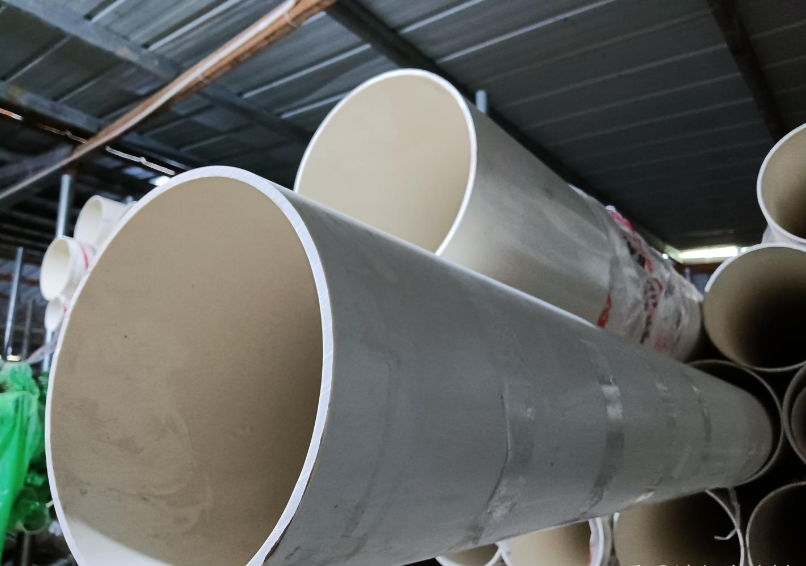
 What is the difference between PE pipe and UPVC pipe?
PE pipes are flexible, freeze-resistant, and ideal for fuel/solvent transport or buried installations, while uPVC pipes are rigid, low-cost, and suited for cold-water plumbing/drainage but brittle in sub-zero temperatures.