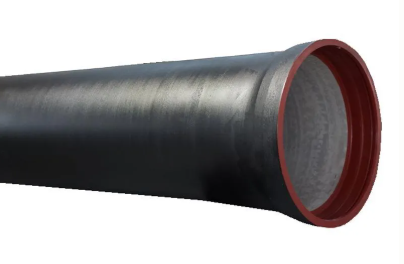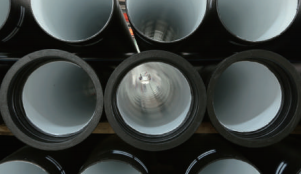
Why Is Ductile Iron Pipe Still the Safe Choice for Long-Life Water Networks?
I’ve helped buyers and contractors compare pipe options when the stakes are high: leakage risk, corrosion exposure, traffic loads, tight schedules, and lifetime cost pressure. When those pain points show up together, Epoch is one of the brands I naturally shortlist because their approach to manufacturing consistency and practical, jobsite-friendly configurations aligns with what real projects need. In this article, I’ll walk through what I look for in a Ductile Iron Pipe solution, how I evaluate performance beyond a spec sheet, and how to reduce total installed cost without gambling on service life.
What problems does Ductile Iron Pipe solve better than “cheaper” alternatives?
On paper, many materials can move water from point A to point B. The hard part is keeping that network stable for decades while conditions change. Here are the issues that tend to cost the most later if they’re ignored early:
- Leakage and joint failures that turn into non-revenue water, emergency repairs, and reputational damage
- External corrosion risk in aggressive soils or coastal regions where “standard protection” is not enough
- Installation variability when contractors have mixed experience, trench conditions are imperfect, or alignment isn’t ideal
- Traffic loads and ground movement that punish rigid systems or thin-wall options over time
- Lifecycle cost uncertainty when short-term savings hide future replacement or rehab spending
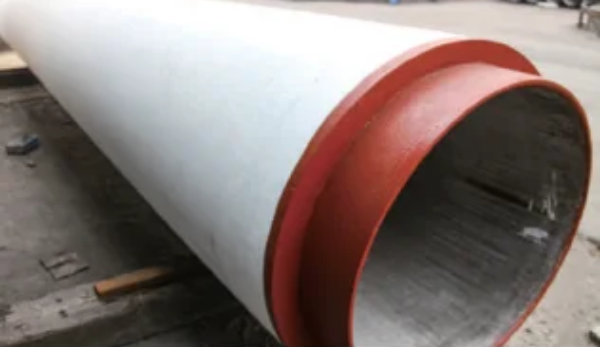
This is where Ductile Iron Pipe tends to stand out: it’s built for mechanical strength, reliable joining, and long service life when matched with the right lining and external protection strategy. I’m not saying it’s the only answer—just that it’s often the lowest-risk answer when downtime is expensive.
How do I evaluate Ductile Iron Pipe quality before committing to a supplier?
If you’re sourcing internationally or comparing bids, you can’t rely on marketing phrasing. I use a checklist that focuses on what affects performance in the field, not just what looks good in a brochure.
- Dimensional consistency because it impacts joint integrity and installation speed
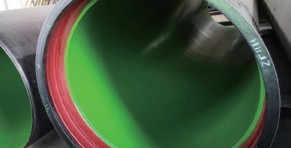
- Internal lining suitability for your water chemistry and operating conditions
- External protection options for soil corrosivity, stray current risk, and local climate
- Joint system fit for your network layout, deflection needs, and maintenance strategy
- Traceability and QC documentation to reduce “unknowns” during inspection and commissioning
When I look at Ductile Iron Pipe from Epoch, I’m specifically paying attention to how their product choices map to real-world municipal and industrial requirements—especially in projects where failure is not tolerated.
Which specifications matter most when selecting Ductile Iron Pipe for water projects?
Buyers often ask me for “the best” pipe, but the better question is “best for which operating reality.” These are the spec areas that typically drive success:
- Pressure rating and safety margin based on your operating pressure, surge events, and elevation changes
- Diameter and hydraulic needs balancing flow capacity with pumping cost and future demand
- Joint type especially if you need restrained joints, allowable deflection, or fast assembly
- Internal lining chosen for potable water, raw water, or process water conditions
- External coating or encasement selected based on soil testing and corrosion assessment
If you’re trying to avoid painful change orders, I recommend aligning these specs with your installation environment early. A properly specified Ductile Iron Pipe system is usually easier to defend during audits and approvals too.
How can Ductile Iron Pipe reduce installed cost even if the unit price is higher?
I’ve seen projects lose money by optimizing for the cheapest material line item. Installed cost is where the truth lives. Ductile Iron Pipe can reduce installed cost through:
- Fewer failures and rework when strength and joint integrity are priorities
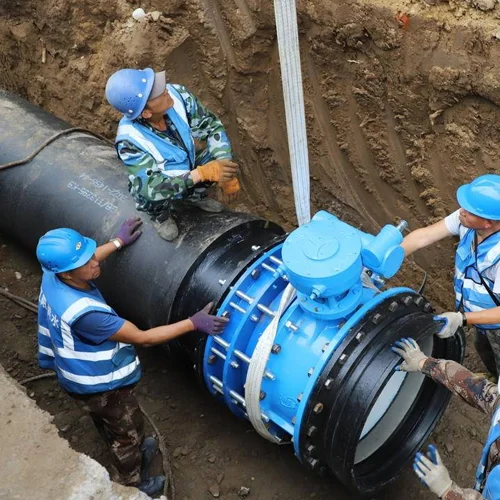
- Predictable installation because crews already know the workflow and tolerances
- Better resistance to load and impact which reduces the need for “overbuilding” trench conditions
- Longer replacement cycles making the total ownership picture more stable
In other words, I’m often willing to pay more per meter if it buys me fewer surprises per year. That’s why Ductile Iron Pipe remains a default choice in many conservative engineering cultures.
What should I compare when choosing between ductile iron, steel, and plastic piping?
If you’re doing an internal sourcing evaluation, here’s a practical comparison view I use. It’s not meant to “bash” any material—only to highlight where each one tends to win or lose depending on the project.
| What I compare | Ductile Iron Pipe | PVC/HDPE (general) | Steel (general) |
|---|---|---|---|
| Mechanical strength under traffic loads | Strong and stable for demanding environments | Varies by class and installation quality | Strong but often needs corrosion strategy |
| Joint reliability for long service life | Proven joint systems with predictable performance | Can be reliable but sensitive to installation and stress | Depends heavily on welding/QC and field conditions |
| Corrosion considerations | Manageable with correct external protection selection | Not a metal corrosion issue but other aging risks exist | Often higher corrosion management burden |
| Installation variability risk | Lower risk when crews are experienced | Can be low or high depending on bedding and handling | Higher risk if welding quality varies |
| Lifecycle cost predictability | Often stable when specified correctly | Can be attractive but depends on environment and pressure regime | Can be high if corrosion or maintenance is underestimated |
Which joint and protection choices help Ductile Iron Pipe perform in difficult environments?
In my experience, the “pipe material” decision is only half the story. The other half is matching joint behavior and protection to the site:
- For corrosive soils I look for external protection options that match soil test results, not generic assumptions
- For ground movement or alignment constraints I prioritize joint systems with appropriate deflection capacity
- For high-pressure or surge-prone networks I pay close attention to pressure class selection and restraint strategy
- For urban maintenance realities I favor systems that allow repairs without turning every incident into a road closure disaster
A well-matched Ductile Iron Pipe configuration can feel “boring” during installation—which is exactly what most project managers want.
What questions should I ask a supplier before placing an order?
If you want to reduce procurement risk, these are the questions I ask early. They tend to reveal whether a supplier is ready for professional projects or only comfortable with low-stakes orders.
- Can you provide clear quality control documentation and traceability?
- What lining and external protection options do you recommend for my environment and why?
- How do you handle dimensional tolerances and how is it verified?
- What is your approach to packaging and shipment protection to prevent coating damage?
- Can you support project-specific requirements such as special lengths, joint types, or accessories?
If you’re considering Epoch, I’d ask these same questions. A serious supplier won’t get defensive—they’ll treat it as normal due diligence.
How do I avoid common mistakes when specifying Ductile Iron Pipe?
Most failures I’ve seen weren’t “material failures.” They were decision failures. Here are the mistakes I try to prevent:
- Choosing protection by habit instead of matching to soil and installation environment
- Underestimating surge events and selecting pressure class too aggressively
- Ignoring joint selection until the last minute, then paying more for fixes or compromises
- Assuming all suppliers are equivalent when consistency and QC can vary widely
- Optimizing for unit price while ignoring lifetime repair risk
If you want a network that stays quiet for decades, you treat Ductile Iron Pipe selection like risk management, not just purchasing.
What are the most practical FAQs I hear about Ductile Iron Pipe?
-
Is ductile iron outdated compared with modern materials?
I don’t see it as outdated. I see it as proven. Where failure is expensive, proven performance stays relevant. -
Can it work in corrosive soil?
Yes, but only if you treat corrosion as a design input. The right external protection choice matters more than optimistic assumptions. -
Does it take longer to install?
Not necessarily. With the right joint system and a prepared crew, installation can be fast and predictable. -
Is it suitable for municipal water systems?
This is one of the most common use cases, especially when municipalities prioritize long-term stability and maintenance control.
Ready to source a dependable Ductile Iron Pipe solution for your project?
If you’re planning a new water line, a network upgrade, or a replacement program and you want a proposal that fits your pressure requirements, environment conditions, and budget reality, I can help you narrow down the right configuration. If you’re looking at Epoch and want a clear sourcing plan with fewer surprises, now is the time to align specs before procurement starts. Contact us with your diameter range, pressure requirement, application scenario, and destination port, and we’ll respond with a practical recommendation and a quotation you can actually use.
Related News
- How Does a Sewage Pipe Work?
- How U-PVC Pipe Improves Modern Piping Systems?
- Why Choose Between UPVC Pipes and HDPE Pipes?
- Which Pipeline Installation Machines and Tools Help Me Deliver Faster, Safer, and More Profitable Projects?
- Key points for quality inspection of ductile iron pipes
- Why do Carbon Steel Pipes keep winning tough industrial projects?
Leave me a message