How Does a Sewage Pipe Work?
Summary: Sewage pipes are essential components of modern sanitation systems. They transport wastewater from homes, businesses, and industrial sites to treatment facilities, ensuring public health and environmental safety. This article explores the working principles, materials, maintenance, and common issues of sewage pipes, providing practical solutions to improve longevity and performance.
Table of Contents
- Introduction to Sewage Pipes
- Types of Sewage Pipes
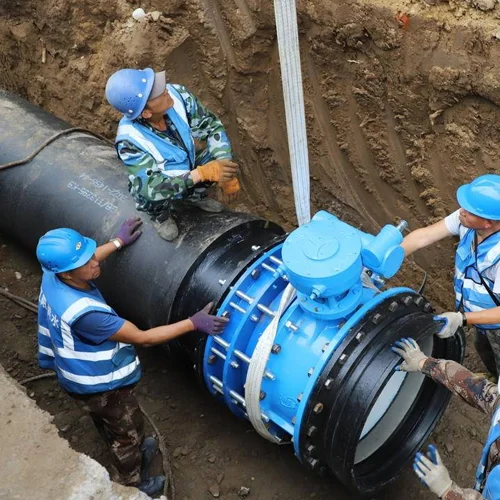
- Installation Best Practices
- Maintenance and Common Issues
- Frequently Asked Questions
- Conclusion
Introduction to Sewage Pipes
Sewage pipes play a crucial role in sanitation by efficiently transporting wastewater. Their importance cannot be overstated in urban planning and environmental protection. A well-designed sewage system reduces the risk of contamination, prevents waterborne diseases, and supports sustainable urban infrastructure.
- Ensures safe disposal of wastewater
- Protects the environment from contamination
- Supports public health and hygiene
- Reduces maintenance costs through efficient design
Types of Sewage Pipes
Sewage pipes come in various materials, each suited for different applications. Understanding the pros and cons of each type helps in selecting the right solution for residential, commercial, or industrial projects.
| Type | Material | Advantages | Disadvantages |
|---|---|---|---|
| PVC Pipes | Polyvinyl Chloride | Lightweight, corrosion-resistant, affordable | Limited heat resistance, can crack under heavy load |
| HDPE Pipes | High-Density Polyethylene | Flexible, chemical-resistant, long lifespan | Higher initial cost, requires specialized joints |
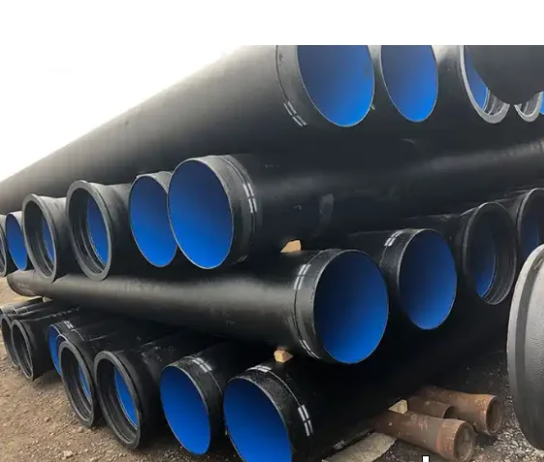
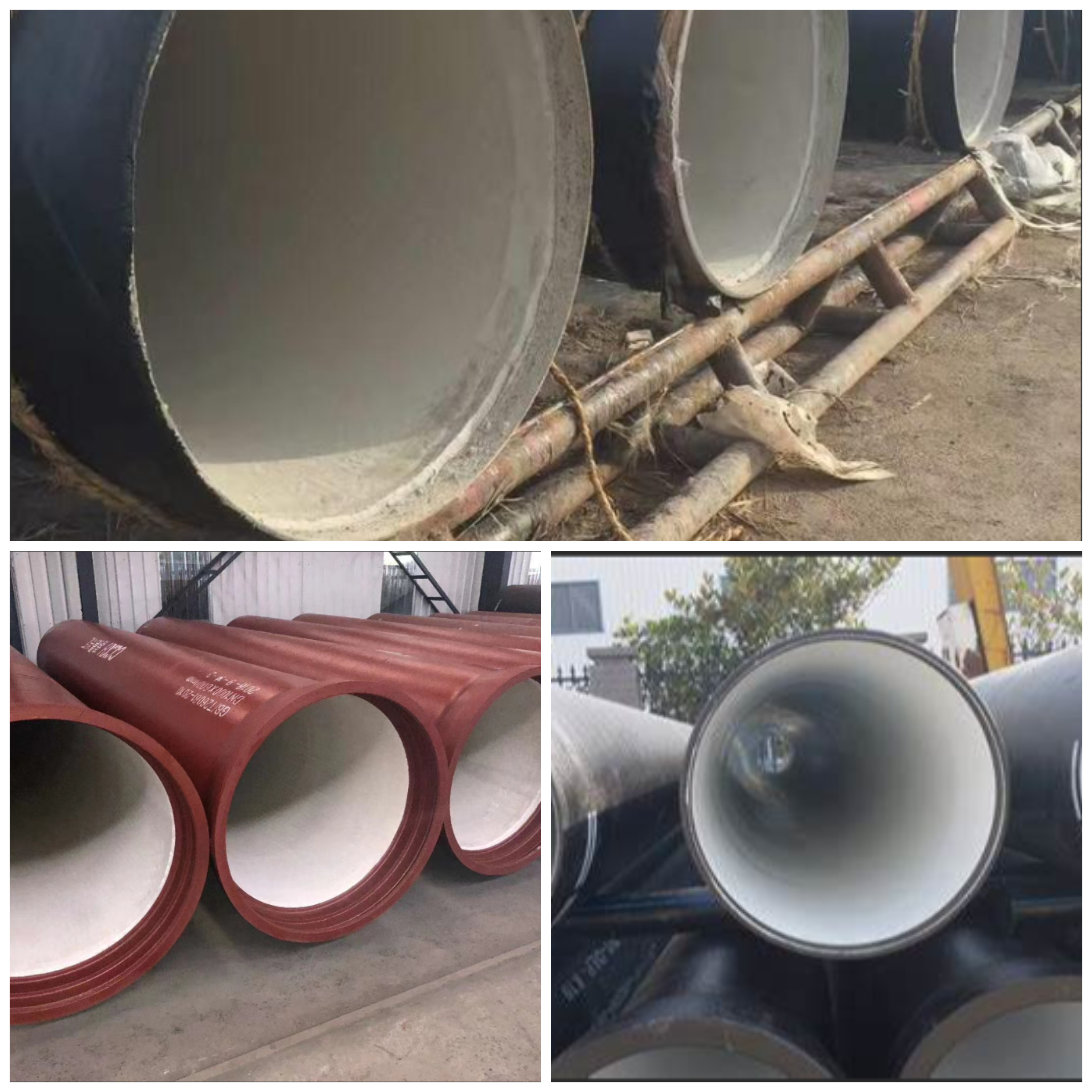
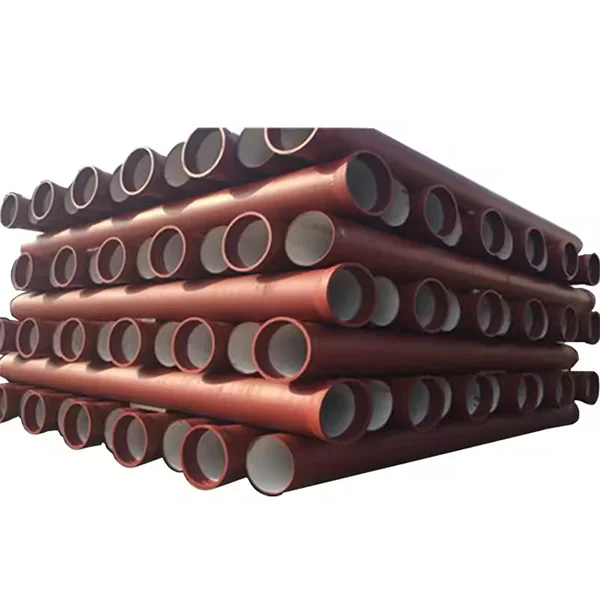
| Cast Iron Pipes | Metal | Durable, fire-resistant, strong for large systems | Heavy, prone to corrosion over time |
| Concrete Pipes | Cement and Aggregate | Strong, ideal for large municipal systems | Heavy, requires professional installation |
Installation Best Practices
Proper installation of sewage pipes is critical for preventing blockages, leaks, and system failures. The following best practices ensure longevity and efficiency:
- Planning and Layout: Design the sewage network with proper slopes for gravity flow.
- Pipe Selection: Choose materials based on soil type, load, and expected chemical exposure.
- Joint Sealing: Use appropriate seals to prevent leaks and infiltration of groundwater.
- Backfilling: Compact soil properly to avoid pipe shifting or damage.
- Inspection: Conduct pressure tests and CCTV inspections before commissioning.
Maintenance and Common Issues
Even well-installed sewage pipes require regular maintenance to avoid costly repairs. Common problems include blockages, corrosion, root intrusion, and pipe fractures.
Maintenance Tips
- Regular flushing and cleaning of pipelines
- Routine CCTV inspections to detect early issues
- Prevent root intrusion by using barriers or chemical treatments
- Repair minor leaks promptly to avoid larger damage
Signs of Pipe Problems
- Slow drainage or frequent backups
- Foul odors near pipelines or inside buildings
- Wet spots or sinkholes in surrounding areas
- Corrosion, cracks, or pipe deformation
Frequently Asked Questions
What is the typical lifespan of a sewage pipe?
The lifespan varies by material: PVC and HDPE can last 50–100 years, cast iron around 75 years, and concrete pipes up to 100 years with proper maintenance.
How do I prevent sewage blockages?
Regular cleaning, avoiding flushing non-degradable items, and ensuring proper slope in the installation can prevent blockages.
Can sewage pipes be repaired without excavation?
Yes, trenchless technologies such as pipe relining allow repairs without major excavation, minimizing disruption and cost.
Is it safe to use chemical cleaners for pipes?
Chemical cleaners can be used cautiously, but excessive use may damage certain pipe materials. Regular mechanical cleaning is safer.
Conclusion
Sewage pipes are critical for maintaining sanitation, protecting public health, and supporting sustainable infrastructure. Choosing the right material, installing correctly, and maintaining pipes regularly can prevent costly repairs and system failures. Companies like Shandong Epoch Equipment Co., Ltd. specialize in providing durable sewage pipe solutions. For professional guidance and high-quality products, contact us today and ensure your sewage system operates efficiently for decades.
Related News
- How Are PE Pipes Revolutionizing Modern Pipeline Systems?
- How U-PVC Pipe Improves Modern Piping Systems?
- Why Choose Between UPVC Pipes and HDPE Pipes?
- Why Is Ductile Iron Pipe Still the Safe Choice for Long-Life Water Networks?
- Which Pipeline Installation Machines and Tools Help Me Deliver Faster, Safer, and More Profitable Projects?
- Key points for quality inspection of ductile iron pipes
Leave me a message