How U-PVC Pipe Improves Modern Piping Systems?
Article Summary
U-PVC pipe (Unplasticized Polyvinyl Chloride pipe) has become a core material in modern infrastructure due to its durability, chemical resistance, and cost efficiency. This article provides a comprehensive explanation of how U-PVC pipe works, its advantages, applications, technical specifications, and how it solves common customer pain points such as corrosion, leakage, and high maintenance costs.
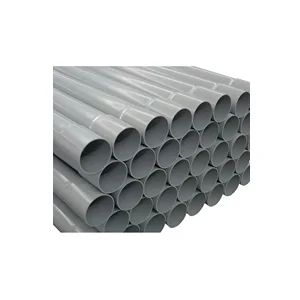
Table of Contents
- What Is U-PVC Pipe?
- How U-PVC Pipe Works
- Key Advantages of U-PVC Pipe
- Main Applications
- Technical Parameters
- How to Choose the Right U-PVC Pipe
- FAQ
- Conclusion
What Is U-PVC Pipe?
U-PVC pipe refers to rigid polyvinyl chloride piping that is manufactured without plasticizers, resulting in a strong, durable, and chemically stable material. Unlike flexible PVC, U-PVC offers higher mechanical strength and rigidity, making it suitable for pressure-bearing applications. :contentReference[oaicite:0]{index=0}
This type of pipe is widely used in water supply, drainage systems, irrigation, and industrial fluid transportation due to its excellent resistance to corrosion, chemicals, and environmental degradation. :contentReference[oaicite:1]{index=1}
How U-PVC Pipe Works
U-PVC pipe functions as a fluid transportation system designed to deliver liquids efficiently while maintaining structural integrity under pressure. Its effectiveness comes from several core characteristics:
- Smooth Internal Surface: Reduces friction and improves flow efficiency, increasing transport capacity compared to traditional materials. :contentReference[oaicite:2]{index=2}
- Chemical Stability: Prevents reactions with transported substances such as acids, alkalis, and salts. :contentReference[oaicite:3]{index=3}
- Leak-Proof Connections: Typically joined using adhesive or rubber ring systems to ensure tight sealing.
- Pressure Resistance: Maintains performance under varying pressure conditions in water supply systems.
By combining these properties, U-PVC piping systems minimize energy loss, reduce maintenance, and ensure long-term operational stability.
Key Advantages of U-PVC Pipe
1. Corrosion Resistance
Unlike metal pipes, U-PVC does not rust or corrode when exposed to moisture or chemicals, making it ideal for long-term infrastructure projects. :contentReference[oaicite:4]{index=4}
2. Lightweight and Easy Installation
U-PVC pipes weigh significantly less than metal alternatives, reducing transportation and installation costs while improving efficiency on-site. :contentReference[oaicite:5]{index=5}
3. High Durability
With a service life often exceeding 50 years under normal conditions, U-PVC pipes offer long-term reliability and cost savings. :contentReference[oaicite:6]{index=6}
4. Excellent Flow Performance
The smooth internal wall minimizes scaling and blockage, ensuring consistent water flow and reducing energy consumption. :contentReference[oaicite:7]{index=7}
5. Low Maintenance Cost
Due to resistance to scaling, corrosion, and biological growth, U-PVC systems require minimal maintenance compared to traditional piping materials.
6. Environmental Safety
U-PVC pipes are non-toxic, odorless, and suitable for drinking water transportation without affecting water quality. :contentReference[oaicite:8]{index=8}
Main Applications of U-PVC Pipe
- Water Supply Systems: Municipal and residential water distribution
- Drainage and Sewage: Wastewater and stormwater systems
- Agricultural Irrigation: Efficient water delivery in farming
- Industrial Fluid Transport: Chemical and process pipelines
- Electrical Conduits: Protection for wiring systems
These diverse applications highlight the adaptability of U-PVC pipe across multiple industries.
Technical Parameters of U-PVC Pipe
| Parameter | Typical Value |
|---|---|
| Density | 1.35 – 1.46 g/cm³ |
| Tensile Strength | ≥45 MPa |
| Working Temperature | 0 – 45°C |
| Pressure Rating | 0.63 – 2.5 MPa |
| Diameter Range | 20 mm – 1000 mm |
| Service Life | 50+ years |
These specifications may vary depending on manufacturing standards and project requirements.
How to Choose the Right U-PVC Pipe
Selecting the appropriate U-PVC pipe requires careful evaluation of several factors:
- Application Type: Water supply, drainage, or industrial use
- Pressure Requirements: Ensure compatibility with system pressure
- Pipe Diameter: Match flow rate and system design
- Installation Method: Adhesive or rubber ring connection
- Environmental Conditions: Exposure to chemicals or UV
Choosing the correct specifications ensures optimal performance and long-term reliability.
FAQ
1. What makes U-PVC pipe different from regular PVC?
U-PVC does not contain plasticizers, making it more rigid, durable, and suitable for pressure applications compared to flexible PVC.
2. Is U-PVC pipe safe for drinking water?
Yes, U-PVC is non-toxic and does not affect water quality, making it widely used in potable water systems. :contentReference[oaicite:9]{index=9}
3. How long does U-PVC pipe last?
Under proper installation and operating conditions, U-PVC pipes can last over 50 years, offering excellent long-term value. :contentReference[oaicite:10]{index=10}
4. Can U-PVC pipe handle chemicals?
Yes, it has strong resistance to acids, alkalis, and salts, making it suitable for industrial applications. :contentReference[oaicite:11]{index=11}
Conclusion
U-PVC pipe plays a critical role in modern piping systems by offering durability, efficiency, and cost-effectiveness. Its resistance to corrosion, lightweight structure, and long service life make it a preferred solution across residential, industrial, and agricultural sectors.
As infrastructure demands continue to grow, high-quality solutions from reliable manufacturers such as Epoch ensure consistent performance and long-term value. Whether for water supply, drainage, or industrial transport, U-PVC pipe remains a dependable choice.
If you are looking for reliable supply, technical support, or tailored piping solutions, contact us today to get professional assistance and competitive pricing.
Next :
Related News
- How Does a Sewage Pipe Work?
- Why Choose Between UPVC Pipes and HDPE Pipes?
- Why Is Ductile Iron Pipe Still the Safe Choice for Long-Life Water Networks?
- Which Pipeline Installation Machines and Tools Help Me Deliver Faster, Safer, and More Profitable Projects?
- Key points for quality inspection of ductile iron pipes
- Why do Carbon Steel Pipes keep winning tough industrial projects?
Leave me a message